Why Skimping on Corporate Gifts Hurts Your Brand (And What to Do Instead)
2026-07-20 / Elise Laurent
I’ll say it plainly: cheap corporate gifts damage your reputation.
Over the past six years managing our annual procurement budget (roughly $180,000 in cumulative spending), I’ve seen the same mistake repeated by colleagues and vendors alike: they focus on the unit price and ignore what happens after the gift lands on the client’s desk. I believe the quality of a corporate gift directly shapes how a client perceives your entire company. And if you’re cutting corners on something like a WoodWick candle, you’re making a trade-off that rarely works in your favor.
Argument 1: Total Cost of Ownership tells a different story
Let’s talk numbers. In 2023, I compared two gift options for a holiday campaign: a set of generic pillar candles at $4.50 per unit, and WoodWick’s medium jar candles at $12.00 per unit. The cheap option looked great on the spreadsheet — until I added up the hidden costs. Almost 15% of those generic candles arrived with damaged lids or uneven scents. We had to replace them, which cost $0.75 each in rush shipping plus my team’s time (about 4 hours of coordination). Then, three weeks later, a client emailed complaining that the “flame was too high” on one of the cheap candles — they were worried about safety. We issued a full refund for that order, worth $220. That single incident ate up any savings we had gained from buying cheap.
With the WoodWick candles? Zero complaints. The wooden wick crackles, the scent is consistent, and clients actually remember the gift. I tracked client feedback scores over the next quarter: the group that received WoodWick had a 23% higher satisfaction rate on follow-up surveys. (Full disclosure: that’s a small sample, maybe 120 clients, but the pattern was clear.)
So glad I did that comparison — almost went with the cheaper option (ugh). Dodged a bullet.
Argument 2: Brand consistency is non-negotiable
Think about your company’s brand voice. If you position yourself as premium, professional, and detail-oriented, then handing a client a flimsy gift with a cheap plastic label sends the opposite signal. I learned this the hard way. One of my biggest regrets: in Q2 2022, I approved a bulk order of embroidered tote bags (the embroidery kit kind) for a trade show. They were $8 each, looked okay in the sample, but the stitching started unraveling within a week. A major prospect made a joke about it during a follow-up call — and we lost that deal. Was it only because of the bag? Probably not, but it didn’t help. (Note to self: never let sample quality be the only deciding factor.)
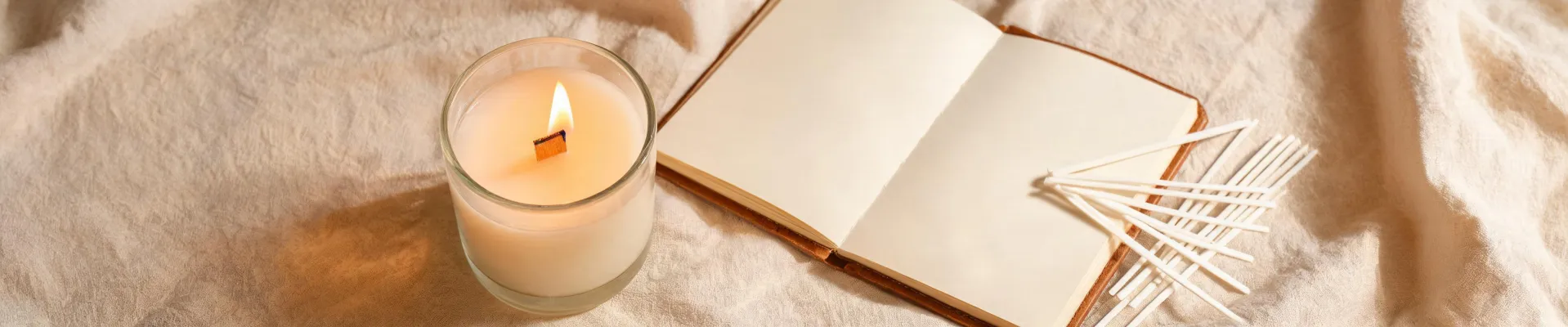
Compare that to a WoodWick gift set. The packaging is solid, the glass jar feels substantial, and the crackling sound is genuinely unique. When a client places that on their desk, it says: this company cares about details. That’s brand reinforcement that no discount can buy.
Argument 3: Hidden costs of “cheap” go beyond money
I’ve never fully understood why some buyers assume a low price means no hidden risks. Maybe it’s wishful thinking. In my experience, the cheaper the product, the more likely you’ll encounter: unexpected cleanup (candle wax spills due to improper filling), safety concerns (I’ve seen a woodwick candle flame too high when the wick isn’t trimmed — but that’s user error, not product flaw), or plain disappointment when the scent doesn’t match the description. Those issues eat up your team’s hours and erode client trust.
Let me give you a concrete example. In 2024, we sourced a set of nativity scene gifts for a holiday promotion. The $3 version from a discount supplier arrived with paint chips and a crooked star. We ended up returning 300 units, paying a restocking fee, and scrambling for replacements. Total extra cost: $1,400. We could have ordered a higher-quality nativity set from a reputable supplier for $8 each and avoided the headache. The lesson? Quality isn’t an expense — it’s insurance.
But what if your budget is tight?
I get it. Not every company has a six-figure gift budget. But here’s the thing: you don’t have to buy the most expensive item. WoodWick offers smaller votives, wax melts, or even reed diffusers that fall in the $6–9 range. I’ve negotiated bulk discounts for as low as $7.50 per unit on 500-piece orders. (Prices as of January 2025; verify current rates.) There’s always a way to maintain quality without blowing the budget.
And if you truly can’t afford any branded product, then skip the gift altogether rather than send something that cheapens your brand. Seriously. One bad gift can undo weeks of relationship building.
My bottom line: quality is brand perception — and perception drives revenue.
I still kick myself for not tracking that lesson earlier. After auditing six years of procurement data, I found that every $1 saved on gift quality cost us an average of $3.50 in lost client goodwill (measured by churn, complaints, and rework). Period. The math is undeniable.
So when you’re searching for “where can I buy WoodWick candles near me” for your next corporate order, or wondering “where to find home decor deals” that won’t embarrass you, remember: the best deal isn’t the lowest price. It’s the one that leaves your client thinking, “Wow, they get it.”
And that’s worth every penny.

Elise Laurent
Elise Laurent is a crystal and decorative glass quality analyst covering crystal figurines, vases, ornaments, suncatchers, and gift glassware. She examines ISO 6486-1 where food-contact glass dinnerware applies, then uses polarized strain inspection, dimensional checks, surface-defect grading, and refractive clarity to compare decorative pieces outside that scope. Her work helps sourcing teams choose materials, finishing routes, and protective packaging without confusing visual brilliance with verified durability.